
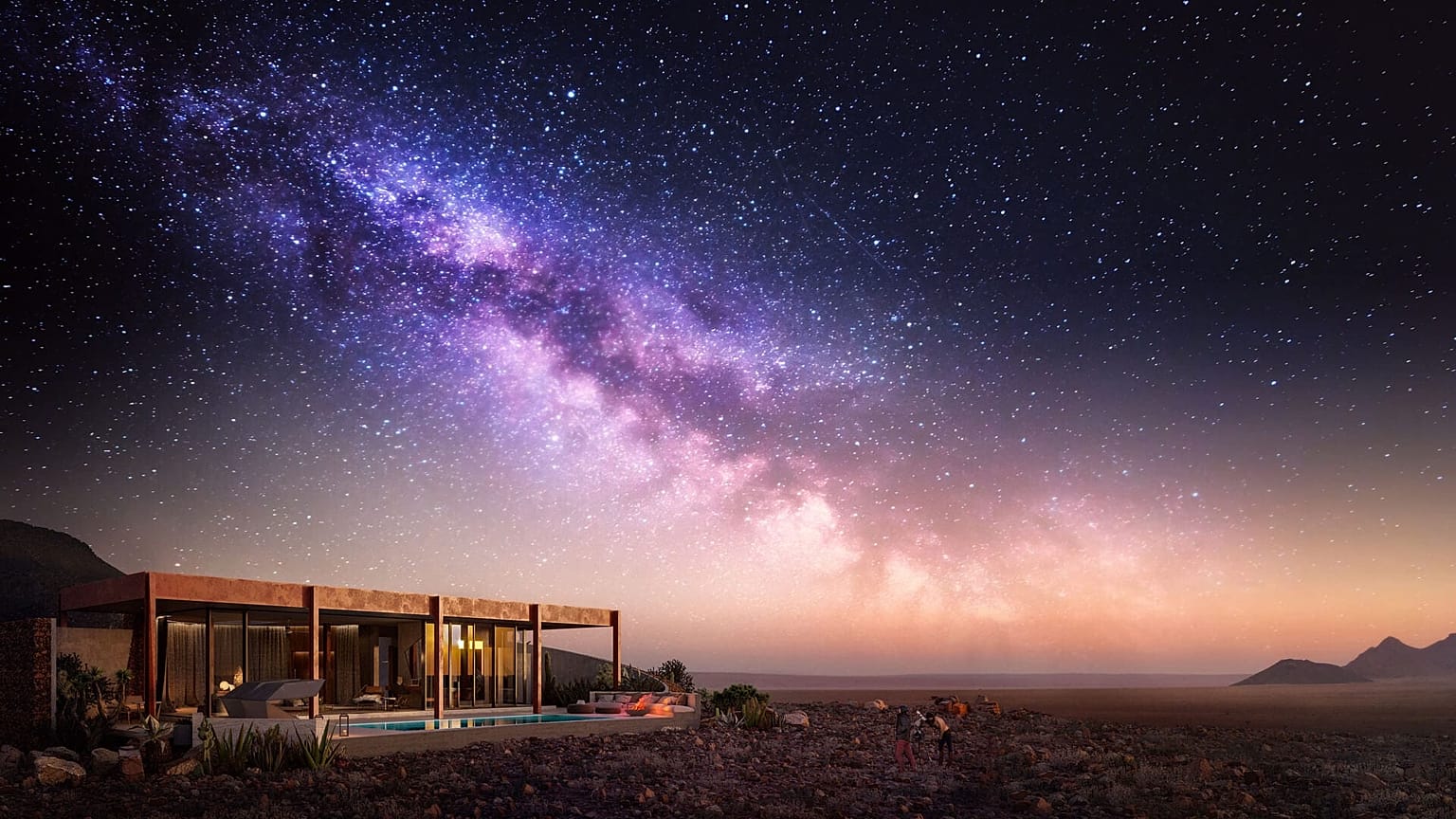

The Rise of Astrotourism
Astrotourism is on the rise, driven by increasing public fascination with celestial events and a growing desire to escape urban lights. In the U.S. alone, over 312 million people visited national parks, spending $23.9 billion in areas conscious of preserving dark skies Jacksonville Journal-Courier. With 2025 promising peak solar activity, multiple eclipses, and meteor showers, interest in celestial travel continues to climb Jacksonville Journal-Courier.
Top Global Destinations for Stargazers in 2025
Here are the brightest spots—literally—for stargazing enthusiasts:
1. Big Bend National Park, Texas, USA
One of the darkest areas in the U.S., ideal for viewing the Milky Way, meteor showers, and planets gettruevoyage.comrehlat.de.
2. Mauna Kea, Hawaii, USA
High-altitude observatories offering unmatched views of galaxies and nebulae gettruevoyage.comVega Vision.
3. Atacama Desert, Chile
Dry climate and minimal light pollution—home to world-class observatories like ALMA gettruevoyage.comINSPIRATION UNCHARTEDTelescope Therapy.
4. Aoraki Mackenzie Dark Sky Reserve, New Zealand
The southern hemisphere’s largest dark sky reserve, offering breathtaking views of Southern Cross and Magellanic Clouds gettruevoyage.comWikipediaBrisbane Airport.
5. Wadi Rum, Jordan
Desert landscapes under Mars-like skies—perfect during meteor showers Woke Waves.
6. Joshua Tree National Park, California, USA
Iconic desert scenery by day, star-studded skies by night Woke Waves.
7. La Palma, Canary Islands, Spain
Low light pollution and the renowned observatory Roque de los Muchachos make this island Europe’s hidden gem for sky watchers Woke Waves.
8. Salar de Uyuni, Bolivia
The salt flats double as a natural mirror, reflecting stunning night skies—especially during the rainy season Woke Waves.
9. Hanle, Ladakh, India
India’s first dark-sky preserve, with optimal astronomical conditions and visibility even of Saturn’s rings with the naked eye The Times of IndiaWikipedia.
10. Kaikōura Dark Sky Sanctuary, New Zealand
Designated in 2024, this sanctuary offers pristine Milky Way views and is supported by local community initiatives Wikipedia.
Notable Regional Highlights
UK and Europe
- Galloway Forest Park, Exmoor National Park, Snowdonia, Kielder Observatory—top picks for accessible, dark-sky escapes Coach Hire Comparison.
- São Lourenço do Barrocal, Portugal: A luxurious retreat within the Dark Sky Alqueva Reserve with private astronomy sessions Wallpaper*.
Australia & Oceania
- Warrumbungle National Park, Australia—Australia’s first certified Dark Sky Park Alvinology.
Africa & Middle East
- NamibRand Reserve, Namibia—a gold-rated site for stargazing amuraworld.comVega Vision.
- Banyan Tree AlUla, Saudi Arabia—luxury camping in darkness with astronomy guides amuraworld.com.
- Lahbab Desert, UAE—accessible desert stargazing near Dubai rehlat.de.
Events and Cultural Convergence
- Acadia Night Sky Festival, Maine, USA—annual workshops and Milky Way views celebrated each September Wikipedia.
- Celestial Retreats: Resorts like Umbria’s Reschio estate offering astrology-focused wellness experiences, from zodiac spa rituals to biodynamic farming Vogue.
Why Astrotourism Resonates in 2025
- Mental clarity through disconnecting —Remaining in dark environments fosters reflection.
- Educational and therapeutic value —Guided tours and astronomical events merge learning with calm Jacksonville Journal-Courier.
- Economic impact on communities —Dark Sky designations like Bluff, Utah, drive tourism and local revenues Axios.
- Cultural & spiritual engagement —From astrology retreats to nomadic storytelling, these trips elevate travel beyond the visual.
Final Thoughts: Planning Your Night-Sky Journey
Whether it’s a luxury resort under the Maldivian skies, a silent desert camp in Bolivia, or a Himalayan observatory in India, 2025 offers celestial travelers a galaxy of choices. When planning:
- Check lunar phases and weather for peak visibility.
- Opt for destinations certified by the International Dark-Sky Association.
- Combine stargazing with immersive local culture and wellness activities.
Astrotourism isn’t just a trend—it’s a growing celebration of the cosmos. So pack your telescope (or just your sense of wonder) and embark on the journey where Earth meets sky.

About the Author