
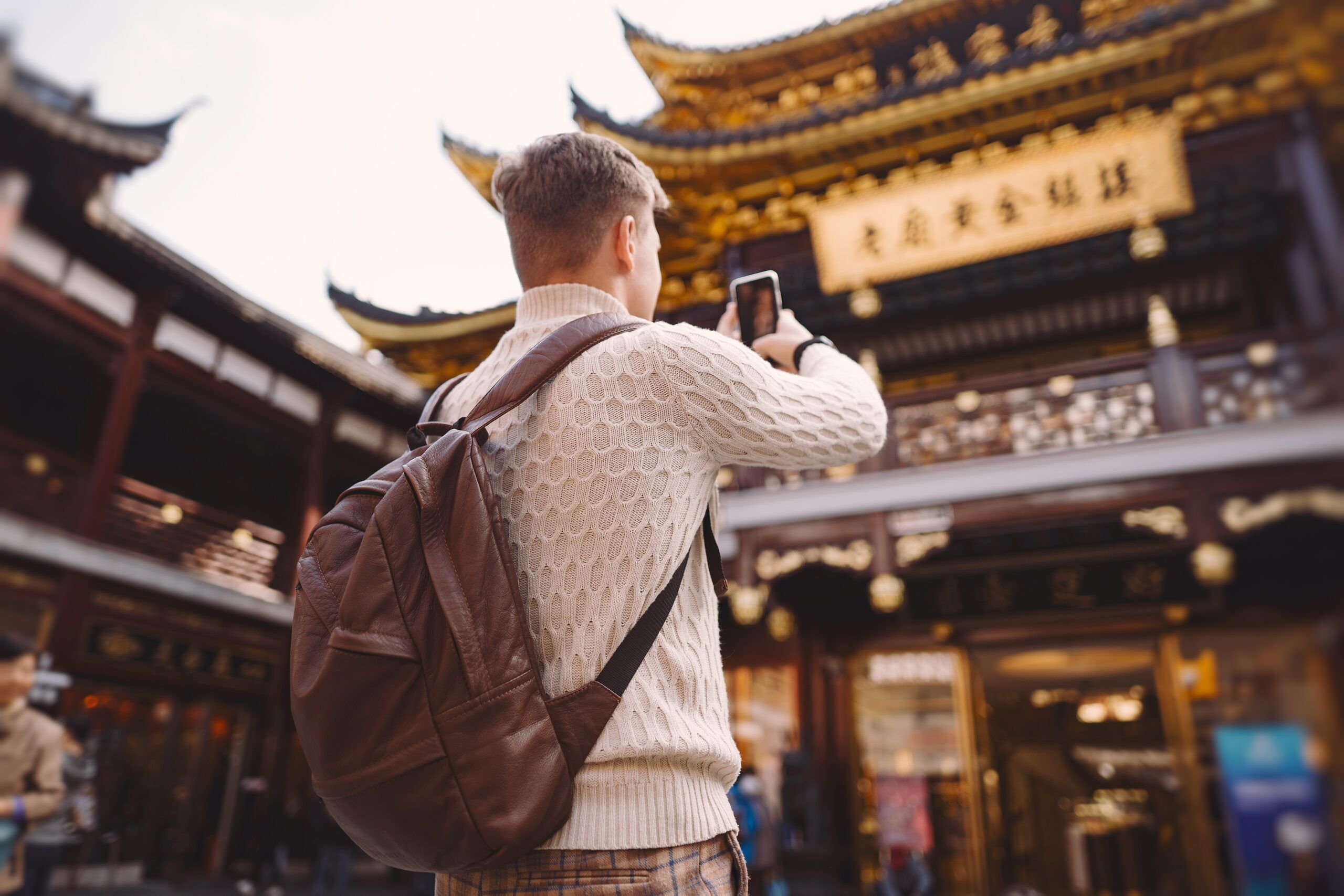

As the world’s pandemic-era dust settles, Japan ushered in 2025 with a fresh wave of tourism rules and systems—designed to manage visitor flows, enhance safety, and elevate the overall travel experience. From digital entry pre-clearance to new pricing schemes and infrastructure tweaks, every globetrotter must stay in the know.
1. Digital Pre-Approval: JESTA on the Horizon
Japan is developing a new entry-authorization system called JESTA (Japan Electronic Travel Authorization)—similar to the U.S. ESTA—for visa-exempt travelers. The system requires visitors to submit personal details and travel information online before entering Japan, helping authorities screen travelers for potential immigration violations. A full rollout is expected by around 2030 WikipediaThe Scottish Sun.
Why it matters: Although not yet active, JESTA’s announcement signals a shift toward more streamlined and secure entry processes. Keep an eye out for updates—this could become mandatory part of your pre-travel checklist soon.
2. Pre-Clearance Trials Begin with Taiwan
In January 2025, Japan introduced a pre-clearance pilot program for Taiwanese travelers, allowing them to complete border formalities before departure—instead of upon arrival RyuKoch – Japanese Food- & Travel-Blog.
Traveler perks: Shorter lines on arrival, faster processing, and a smoother landing experience. This model may expand to other countries in the future, offering a more relaxed and efficient entry process.
3. Automated Gates: Faster Immigration at Major Airports
Japan’s major airports—including Narita, Haneda, Kansai, and Chubu—continue to deploy automated e-Gate systems (part of J-BIS), allowing eligible travelers to scan passports and submit fingerprints without human involvement Wikipedia.
Why you’ll appreciate it: If you’re carrying all the right documentation, this technology means quicker border control and less waiting time.
4. Transportation Shifts: Reserved Seat Focus on Shinkansen
Starting March 15, 2025, the Nozomi Shinkansen (Japan’s fastest bullet train) began reducing its non-reserved seating, converting many areas into reserved seats only RyuKoch – Japanese Food- & Travel-Blog.
What to do: Book your seats in advance—especially during peak periods—or choose other Shinkansen types if flexibility is important.
5. Tax-Free Shopping Redefined
Japan’s tax-free system underwent major changes:
- You now pay consumption tax upfront at the store, and claim your refund at departure based on your receipts.
- Online processing for refunds is being introduced to reduce airport delays.
- Postal shipping of tax-free items is no longer allowed; buyers must carry purchases themselves RyuKoch – Japanese Food- & Travel-Blog.
Pro tip: Keep all shopping receipts and arrive early at the airport to allow time for tax refund processing.
6. Dual Pricing Pilots for Foreigners vs Locals
In response to overtourism, Japan is testing dual-pricing schemes in areas like ski resorts, museums, public transport, and cultural attractions. Foreign tourists may pay higher fees compared to local residents RyuKoch – Japanese Food- & Travel-BlogAdelaide NowWikipedia.
Be prepared: Certain entrances or services may cost more for foreigners. Always check local info before visiting popular sites.
7. Overtourism Controls: Caps, Fees, and Restrictions
Japan’s rapid tourism growth has prompted targeted controls:
- Mount Fuji: Daily climber cap (approx. 4,000) and entrance fee introduced Wikipedia.
- Kyoto & Tokyo: Measures include fines for intrusive behavior (like photographing geisha without consent), restricting alley access, and new ordinances (e.g., anti-street-drinking rules in Shibuya) WikipediaNews.com.au.
Visitor advice: Respect local customs and rules. Plan outings during off-peak times or explore less crowded destinations to avoid hassles.
8. Infrastructure Upgrades & Sustainable Tourism
Japan is heavily investing in sustainability:
- Over 100 regions nationwide are rolling out eco-conscious tourism measures by 2025. At least 50 of these will pursue international recognition for sustainability efforts RyuKoch – Japanese Food- & Travel-Blog.
- Improvements include eco-friendly transport (e-buses, bike sharing), and support for local economies and products.
Why this matters for tourists: Expect cleaner, greener travel and more opportunities to support local communities.
9. Expo 2025 Osaka: Book Early
Expo 2025 in Osaka (the “Designing Future Society for Our Lives” exposition) is set to draw huge crowds RyuKoch – Japanese Food- & Travel-Blog.
Plan ahead: Reserve your accommodation and expo tickets well in advance—hotels and events will sell out.
10. Mount Fuji Fee & Restaurant FastPass Services
- Mount Fuji hiking fees increased (up to €31, or approx. ¥5,000) starting summer 2025—funds go toward trail upkeep and congestion control RyuKoch – Japanese Food- & Travel-Blog.
- Restaurant FastPass systems emerged: For a service fee, you can skip queues at popular dining spots—a helpful time-saver RyuKoch – Japanese Food- & Travel-Blog.
Traveler tip: Budget these fees into your itinerary for smoother experiences.
11. Budget Benefit: Weak Yen & Travel Affordability
The depreciating yen has made Japan an increasingly affordable destination for many travelers in 2025 Travel And Tour World.
What it means: Your money (USD, EUR, etc.) goes further—whether it’s dining, shopping, lodging, or transit—making it a great time for value-conscious visitors.
12. U.S. Embassy Advisory: Entry Basics & Customs
The U.S. State Department’s advisory confirms a number of key entry requirements and reminders:
- Tourists (under 90 days) require valid passport (with blank page), return or onward ticket, and may be fingerprinted/taken photo on arrival (except certain groups) travel.state.gov.
- No vaccinations are currently required.
- Carry less than ¥1,000,000 (approx. USD 6,450) when entering or exiting, or declare it travel.state.gov.
- Some drugs (e.g. Adderall, marijuana) are strictly prohibited even with prescriptions; bring sufficient supply and consult your doctor for alternatives travel.state.gov.
Be clear: Ensure documentation is in order and avoid banned substances.
13. Reddit Traveler Tips—Street-Smart Advice
From r/JapanTravelTips (April 2025):
- Download translation apps offline (Google Translate, Papago), especially helpful in low-service areas.
- Learning local dialect phrases like “ookini” (Kansai dialect for “thank you”) can delight locals—especially older generations Reddit.
- Transport tips:
- Trains: Screenshot route info before entering tunnels—signs can go fuzzy, and knowing station stops/platforms helps.
- Buses: Bus numbers may apply to routes in opposite directions—double-check with the driver or via maps.
- Trains: Screenshot route info before entering tunnels—signs can go fuzzy, and knowing station stops/platforms helps.
- IC cards remain handy for transport payments; Apple Pay support is expanding Reddit.
Local insight: These practical tips can save time and reduce confusion.
14. Summary Table: Quick Checklist for 2025
| Category | New Rules or Trends (2025) |
| Entry Authorization | JESTA (by ~2030); Pre-clearance for Taiwan; automated e-gates |
| Visa-Free Entry | Still valid (<90 days), but pre-screening soon mandatory |
| Transport | Reserved seats on Nozomi Shinkansen; plan ahead |
| Shopping / Tax-Free | Pay tax upfront, refund at departure; carry goods yourself |
| Pricing | Dual pricing for foreigners; extra fees for attractions |
| Overtourism | Caps, fines, bans, restricted areas |
| Sustainability | Eco tours, local products, green infrastructure |
| Major Events | Expo 2025 in Osaka—book early |
| Fees | Mount Fuji fee; FastPass restaurant service |
| Currency Advantage | Weak yen = affordable trip |
| U.S. Travel Advisory | Passport, fingerprinting, banned meds, currency declaration |
| Traveler Tips | Translation apps, dialects, route screenshots, payment systems |
Final Thoughts

Japan’s 2025 tourism landscape reflects a nation striving to balance visitor growth with cultural preservation, safety, and sustainable development. There’s a clear shift toward digital systems like JESTA and automated gates, along with new transport and pricing strategies to manage overcrowding and support local communities.
About the Author